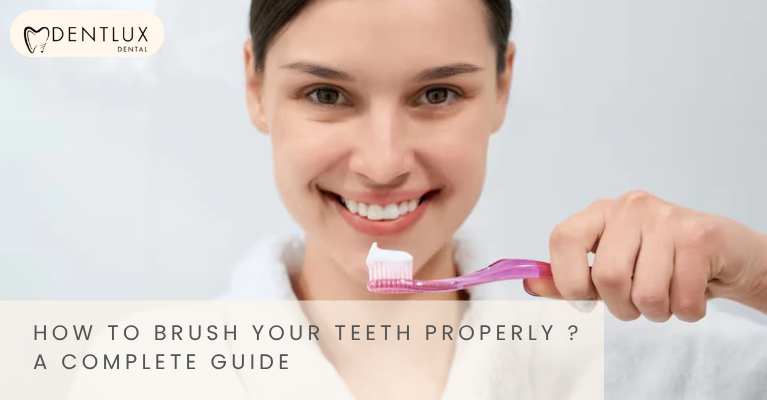
Many people believe that as long as a toothbrush touches their teeth twice a day, they are safe from dental issues. Unfortunately, poor brushing technique can sometimes cause more harm than not brushing at all.
When you scrub your teeth too hard, back-and-forth motion, you risk wearing away your enamel—the hard, protective outer layer of your teeth. Once enamel is gone, it cannot grow back. This exposes the yellow dentin underneath, leading to severe sensitivity and a higher risk of decay.
Furthermore, improper brushing leaves behind plaque in hard-to-reach areas, especially along the gumline. Over time, this plaque calcifies into tartar, a hard substance that can only be removed by a professional dental scaling. Tartar irritates the gums, causing them to pull away from your teeth (gum recession) and opening the door to painful infections and toothaches.
1. The Right Tools for the Brushing
Before we even talk about technique, let’s look at your toolkit. If your tools are worn out or wrong for your unique mouth, even the best technique won’t save your smile.
- Bristle Firmness: Always choose soft bristles. Medium or stiff bristles are too abrasive and can permanently damage your enamel and irritate your gums.
- Manual vs. Electric: Both can clean your teeth effectively. However, electric toothbrushes are highly recommended if you struggle with manual dexterity, tend to brush too hard, or simply want a more effortless, thorough clean. Many electric brushes come with built-in timers to ensure you hit the two-minute mark.
- The Lifespan: Replace your toothbrush or electric brush head every 3 to 4 months, or immediately after you have been sick. Frayed, bent bristles lose their flexibility and can no longer reach into the tight spaces between your teeth.
- The Power of Fluoride: Look for a toothpaste that contains fluoride. Fluoride is a naturally occurring mineral that acts as a shield for your teeth. It actively remineralizes weakened enamel, making your teeth more resistant to the acid attacks caused by everyday food and drinks.
- Specialty Pastes: If you suffer from sharp sensitivity when drinking cold water or hot tea, look for desensitizing toothpastes containing potassium nitrate, which helps block the pain signals traveling to the tooth’s nerve.
2. The Step-by-Step Brushing Technique
Most people brush their teeth like they are scrubbing a kitchen counter—vigorously moving the brush horizontally back and forth. To clean your teeth safely and effectively, dentists recommend the Modified Bass Technique. Here is exactly how to do it:
- The 45-Degree Angle: Don’t hold your toothbrush flat against your teeth. Instead, place the bristles at a 45-degree angle pointing toward your gumline. Plaque loves to hide in the microscopic trench where your teeth meet your gums, and this angle allows the bristles to sweep that area clean.
- Gentle, Circular Motions: Instead of sawing back and forth, move the brush in small, gentle, circular or vibratory motions. This rolls the plaque away from the gums rather than pushing it further underneath them. Think of it as a gentle massage for your teeth and gums, not a heavy scrub.
- Clean Every Surface Systematically: To ensure you don’t accidentally skip a spot, divide your mouth into four quadrants: top right, top left, bottom right, and bottom left. Spend at least 30 seconds on each quadrant. Within each section, make sure you clean the outer surfaces facing your cheeks, the inner surfaces facing your tongue, and the chewing surfaces of your molars. For the chewing surfaces, a flat, back-and-forth scrub is perfectly acceptable to get into the deep grooves.
- The Front Tooth Tilt: The inner surfaces of your front teeth are notorious for collecting tartar because they are narrow and hard to reach. To clean them properly, tilt your toothbrush vertically. Make several gentle up-and-down strokes using the front half of the brush head to sweep away the hidden plaque.
- Don’t Forget Your Tongue: Your tongue is like a plush carpet; its textured surface traps millions of bacteria, food particles, and dead cells. This buildup is a leading cause of chronic bad breath. Give your tongue a gentle brush from back to front, or use a dedicated plastic tongue scraper for a cleaner, fresher feel.
3. The Golden Rules of Oral Hygiene
To maintain optimal oral health and keep the dentist away, consistency is key. Keep these three fundamental rules in mind every single day:
- Brush Twice a Day: You should brush your teeth at least two times a day—once in the morning to clear away overnight bacterial growth, and once right before bed. Brushing at night is critical because your saliva flow decreases while you sleep, making your teeth more vulnerable to plaque acids.
- Two Minutes Minimum: The average person brushes for only 45 seconds. Two minutes is the scientifically proven time required to ensure all 32 teeth get equal, thorough attention. Try using a song or a phone timer to track your progress.
Use Light Pressure: You do not need to scrub hard to remove plaque; plaque has the consistency of soft butter. Light pressure is more than enough. Heavy pressure only succeeds in eroding enamel and causing your gums to recede.
4. Common Brushing Mistakes to Avoid
Even with the right brush and technique, a few common misconceptions can sabotage your hard work. Are you guilty of any of these habits?
- Rinsing with Water Immediately After Brushing: Stop doing this right away! When you rinse your mouth out with water right after brushing, you completely wash away the concentrated fluoride left behind by your toothpaste. Instead, simply spit out the excess foam and walk away. Let that thin layer of fluoride sit on your teeth to strengthen your enamel.
- Brushing Immediately After Eating: If you just consumed something acidic such as coffee, soda, citrus fruits, or tomato sauce, the acid temporarily softens your tooth enamel. If you brush immediately, you will literally scrub away your softened enamel. Wait at least 30 minutes after eating to let your saliva naturally neutralize the acids and remineralize your teeth.
Skipping the Floss: A toothbrush can only reach about 60% of your tooth’s surfaces. The remaining 40% lies in the tight spaces between your teeth where the bristles cannot fit. If you aren’t flossing daily, you are leaving nearly half of your mouth dirty, inviting cavities and gum disease between your teeth.
Foods to Keep in Mind for Stronger Teeth
What you put in your body plays a massive role in how clean your teeth stay between your brushing sessions.
- Sticky Candies: Caramels, gummies, and dried fruits lodge deep into the grooves of your molars and stay there for hours, creating a constant feast for harmful bacteria to produce enamel-eating acid.
- Refined Carbohydrates: White bread, potato chips, and crackers quickly break down into simple sugars in your mouth. They turn into a sticky paste that fuels rapid plaque growth.
- Acidic Drinks: Frequent sipping on sodas, sports drinks, and energy drinks keeps your mouth in a constant acidic state, heavily eroding your enamel over time.
- Crunchy Vegetables: Celery, carrots, and apples act like natural toothbrushes. Chewing them stimulates saliva production and mechanically scrapes away loose food particles.
Dairy Products: Milk, cheese, and plain yogurt are packed with calcium and phosphates, which actively help rebuild and strengthen your tooth enamel.
When to Seek Professional Help?
While a flawless brushing routine is your best defense, it cannot fix pre-existing structural issues, hardened tartar, or deep-seated infections. You should schedule an appointment with your dentist immediately if you experience:
- Tooth pain or a throbbing ache that lasts longer than 2 to 4 days.
- Gums that bleed consistently every time you brush or floss.
- Visible swelling in your gums, face, cheek, or neck area.
- A chronic foul taste or a metallic flavor in your mouth that doesn’t go away after brushing.
- Extreme, lingering sensitivity to hot and cold temperatures.
Any difficulty in breathing or swallowing your food due to oral discomfort.
Conclusion
Perfecting your brushing technique is one of the simplest, most cost-effective investments you can make in your overall health. By holding your brush at a 45-degree angle, brushing gently for a full two minutes twice a day, and remembering to spit rather than rinse, you protect your teeth from painful cavities, infections, and costly dental procedures down the line.
Remember, a great at-home routine goes hand-in-hand with professional care. Regular checkups allow dental professionals to catch minor plaque accumulation before it turns into a painful dental emergency.Whether you need a routine professional cleaning, a preventative checkup, or expert advice on your oral hygiene routine, the team at DentLux Chandigarh is here to guide you toward a healthy, radiant smile. Book your appointment today and take the first step toward a lifetime of pain-free smiles.