We have all come across information on the internet regarding treating cavities at home in two or three days using certain products or supplements. However, these do not work when it comes to an already decayed tooth and might help in prevention. While some solutions might seem like they can work and fix the tooth, in reality, they might only provide temporary relief. Only a dental professional can help you in fixing your cavity. It is estimated that oral diseases affect nearly 3.7 billion people and untreated tooth decay is the most common dental condition globally.
What Are Cavities?

Cavities are permanently damaged areas on the hard surfaces of the teeth. This damage is a result of acids generated by the bacteria that are living in your mouth. Cavities form when plaque builds up in the teeth and produces acids that erode the enamel. Enamel is the protective outer layer of the teeth. This forms a small or large hole in the teeth. Once the enamel is gone, it does not grow back. In an early stage, it looks like a white spot, which can be healed, but as time goes by, it will look like a brown or black spot. If left untreated, they can grow larger, leading to severe pain, sensitivity, infection, or you might lose your tooth permanently. These are also called dental caries. 1 in 5 adults has untreated cavities.
How Does A Cavity Form?
Have you ever felt like your teeth feel weird or fuzzy after a meal, or perhaps when you are brushing or flossing? It is the bacteria that give you this feeling, and when this builds up, it forms a sticky layer-like substance called plaque. These bacteria in our mouths use the foods, especially sugary foods, to live and produce acids.
To understand how a cavity is formed, we have to know about what makes a tooth. First, we have the enamel, which is the outside hard covering that protects the teeth. Underneath, we have the dentin. Dentin is not as hard and strong as enamel, and that is why it is easier for cavities to spread and get bigger, causing damage. Below that, we have pulp, where the nerves and blood supply for the tooth exist.
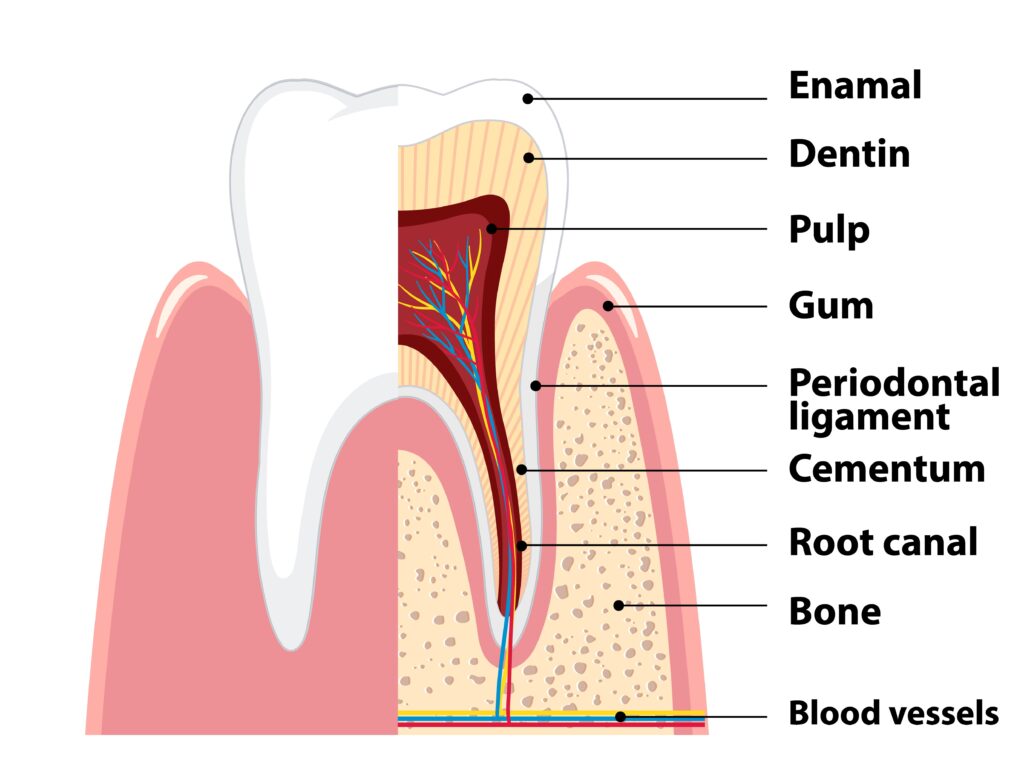
If the cavity is not fixed, the bacteria can travel from the enamel to the pulp, causing an infection. Please visit your dentist if you notice any of the following changes:
- Swelling of the mouth
- Redness around the tooth
- Pain in that region
What Causes Tooth Decay?
The acid production, combined with bacteria, food particles, and saliva, forms a sticky film called plaque, which dissolves the enamel, leading to decay. Common causes include:
- Poor oral hygiene: Failure to brush leads to the formation of plaque, which in turn causes poor oral hygiene. When not brushed, these acids eat the tooth surface away.
- Frequent consumption of sugary foods and drinks: Foods that contain carbohydrates, such as sodas, candies, etc., are the primary fuel for cavity-causing bacteria.
- Lack of fluoride: This leads to weakened enamel and increased dental cavities.
- Dry Mouth: Saliva helps in washing away food and neutralizing acid. A lack of saliva increased the risk of tooth decay.
- Receding Gums: When gums recede, they expose the root of the tooth, which is softer and can easily decay. Having a personal or family history of cavities can also contribute to this risk.
How To Get Rid Of Cavities?

Despite seeing a lot of articles and information claiming to show how to fix cavities, these promises are definitely misleading and untrue. Tooth decay that has penetrated the enamel cannot be reversed without any professional dental treatment. However, depending on the stage of the cavity, the following treatments can be performed:
- Fluoride Treatment: Professional fluoride treatment is a non-invasive dental procedure that strengthens tooth enamel and prevents cavities.
- Dental fillings: This is the most common treatment, where the dentist removes the decayed portion and uses amalgam to fill that portion.
- Crowns: In case of severe decay, crowns are used that cover the entire tooth.
- Root canal treatment: This is performed when the decay reaches the pulp, and the infected tissue is removed.
- Tooth Extraction: If the tooth is too damaged, it may need to be removed, and replacement options like implants and bridges can be done.
5 Ways To Prevent Tooth Decay

Even with awareness, cavity rates remain high and relatively stable over time. If you want to prevent cavities, following simple daily practices can make a significant difference in your dental health. Here are some methods you can follow:
- Brush twice a day with a fluoride toothpaste and floss daily for good oral hygiene.
- Reduce sugar intake
- Rinse your mouth with water after every meal
- Include vitamins and iron-rich foods in your diet.
- Visit your dentist regularly for a checkup
Although sugar can cause cavities, it is not the only cause; recent research suggests that other dietary factors also influence cavity formation, and nutrition plays a broader role than just sugar.
Closing Thoughts
Cavities are preventable and treatable if addressed early and correctly. The key is to maintain good oral hygiene, reduce sugar intake, and visit your dentist regularly. While natural methods can support oral health, they cannot resolve a decayed tooth; therefore, this information, especially regarding home care tips, is for informational purposes only, and you should consult a professional for medical advice or diagnosis. If you follow the right routine and act early, you can keep your teeth healthy and free from cavities for life.