
What are Mouth Ulcers?
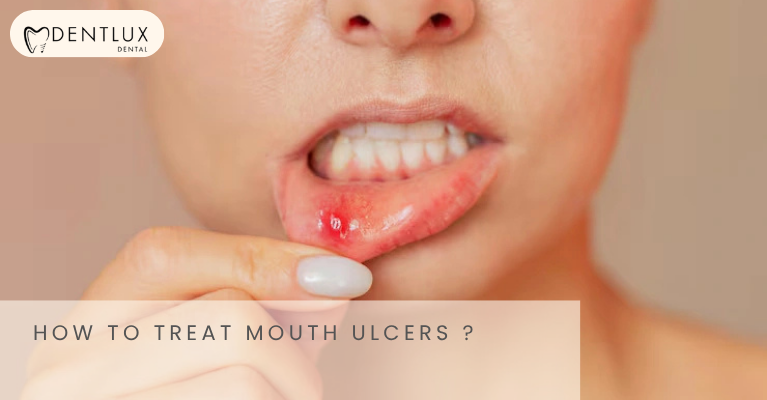
Mouth ulcers are painful, red, yellow or white colored sores that happen on the tissues of the mouth. This is usually caused by biting, stress, nutritional deficiencies or harsh brushing.
This generally lasts from 1 to 2 weeks. These ulcers are common in women and individuals in their teens or early twenties. This can occur in places like your gums, tongue, cheeks, the roof of your mouth, or your lips.
Types of Mouth Ulcers
Common Canker Sore
- This is the most frequent type of mouth ulcer.
- Small oval or round shaped with red, yellow or white colours.
- The usual size of a canker sore is about 10mm.
- This can be easily treated at home.
Aphthous Ulcers
- Severe form of canker sore.
- This requires professional care.
- These ulcers are larger and can be more vigorous.
- This can take up to 5 to 6 weeks to heal.
- This makes eating and talking difficult.
- The size of these ulcers is more than 10mm.
Oral Lichen Planus
- This is a chronic inflammatory condition that affects the membrane inside the Mouth.
- The cause of this ulcer is a weak immune system.
- Mostly found inside the inner cheeks.
Herpetiform Ulcers
- These are tiny ulcers, but they can merge to form a large ulcer.
- Usually, this takes 1 to 2 weeks for healing.
- Stress is the major reason for this ulcer.
Traumatic Ulcers
- These are caused by accidents and not health issues.
- Accidentally biting your cheeks, irritation from braces, sharp teeth, or broken teeth may cause this kind of ulcer.
- These are easily curable at home.
Leukoplakia
- This ulcer involves thick white patches forming on your gums or the bottom of your mouth.
- Size can be small spots or large ones.
- Some leukoplakia may show early signs of cancer.
Erythroplakia
- This is a red-coloured patch which cannot be categorised into any kind of disease.
- Mostly, it forms on the floor of the mouth.
Oral Cancer
- This refers to cancerous growth that develops in the oral cavity, including the lips, tongue and throat.
- Looks like a common mouth ulcer at first, but it will not heal.
- Early detection is life-saving to understand and cure it quickly.
How to Treat Your Mouth Ulcer ?
Home Remedies
Home remedies can be done only when you know its minor ulcer.
- Salt water rinse – Mix a teaspoon of salt in a warm cup of water. Rinse for 30 seconds to a minute and spit. This helps in killing bacteria.
- Honey Application – Honey has natural antibacterial and anti-inflammatory properties. Apply a little honey to the affected areas.
- Intake of food – Skip spicy, crunchy and greasy foods; instead, eat soups and light foods.
Professional Dental Treatment
If the ulcer is so painful and severe then you can go for these treatment options
- Prescription Gels – Apply dentist-prescribed gels for healing.
- Laser Therapy – Dentists use soft tissue lasers to treat ulcers.
- Chemical Cauterisation – Using a specialised medicated swab to seal the ulcer and help heal faster.
Prevention of Mouth Ulcers
Brush your teeth properly
Brush your teeth properly with good toothpaste and brush your teeth twice a day.
Fix your Toothpaste
Switch to an SLS free toothpaste.SLS is sodium lauryl sulfate and is mostly used in all commercial toothpastes.
Eat right food
Avoid eating junk, greasy, spicy food, and instead take nutritious food into your diet. And do any kind of body movement to keep you healthy and fit.
Manage your Stress levels This is the most important step to keep yourself calm and stress free. This will reflect on your body and your work.
How can you know that your mouth ulcer is severe?
Most ulcers are common and easily curable, but some are signs of underlying health issues in your body which need immediate care.
- The Duration of Ulcer – Normal Ulcers heal or fade within 6 to 10 days, whereas if any ulcer takes more than 2 weeks, then you should make a dental appointment for a professional screening.
- The Size and Physical shape of Ulcer – A normal ulcer will be round, small and shallow, usually not more than 10mm. Major ulcers are larger than 1cm.
- Systematic symptoms – If you have a high fever after getting a mouth ulcer, it is a sign that your body is fighting against infection. You will feel pain while swallowing your food. Ulcers can cause skin rashes on your hands or legs. There can be lumps under your jawline, which are called swollen lymph nodes.
- Spread and Frequency of ulcers – Getting one or two ulcers a few times a year is normal, whereas severe ulcers keep on occurring when the old one heals, or cures. Even worse can happen when suddenly 10 or more small ulcers occur together.
Conclusion
Struggling with painful sores? Mouth ulcers can turn simple tasks like eating and speaking into a daily challenge. While most are minor irritations that heal within a week using home remedies like saltwater rinses or honey, others require professional intervention. Understanding the difference between a common canker sore and chronic conditions like Oral Lichen Planus or Leukoplakia is vital for your long-term health. For any enquiries or to take professional care, Book an appointment with us.