
Many people notice a clicking, popping, or cracking sound in their jaw while eating, speaking, or yawning. Although an occasional sound may not always indicate a serious problem, frequent jaw popping accompanied by pain or difficulty opening the mouth could point to a temporomandibular joint (TMJ) disorder. Understanding the causes and treatment options can help prevent the condition from worsening.
What Is the Temporomandibular Joint (TMJ)?
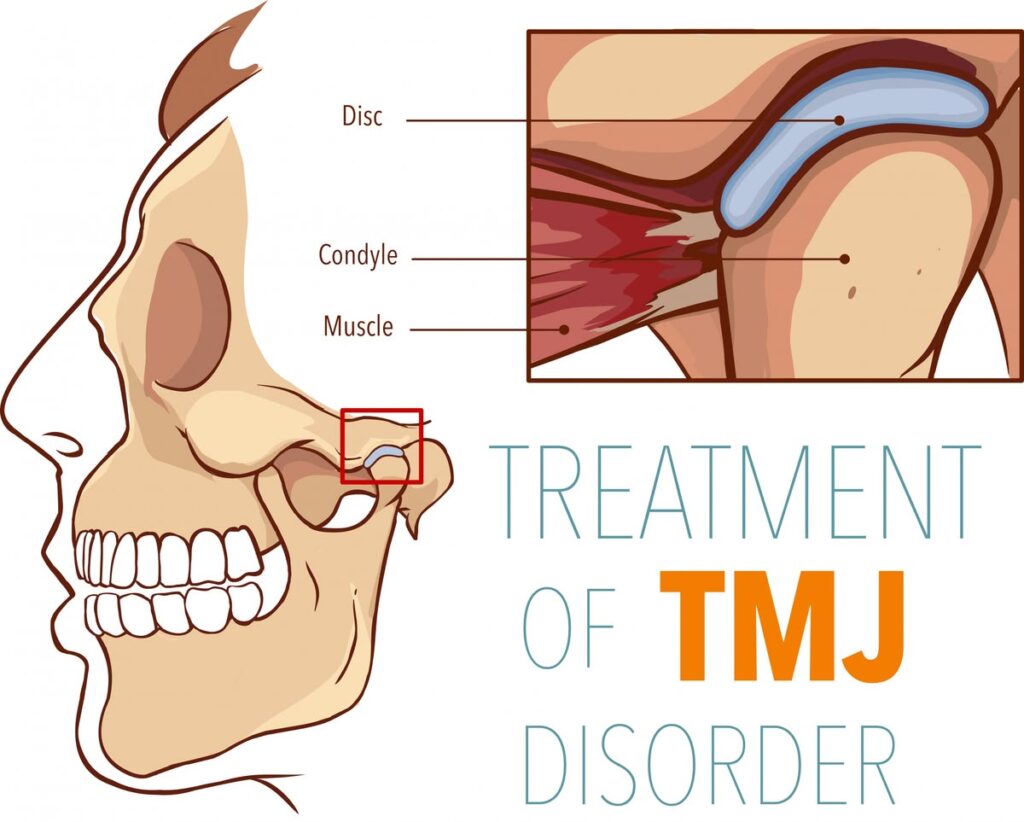
The temporomandibular joint connects the lower jaw to the skull and acts like a sliding hinge. You use this joint every day while talking, chewing, swallowing, and yawning.
Each joint contains a small disc that helps the jaw move smoothly. When the joint, surrounding muscles, or disc do not function properly, symptoms such as popping sounds, discomfort, or restricted movement may develop.
Why Is My Jaw Making Popping Sounds?
Jaw popping occurs when the joint or disc moves out of its normal position during jaw movement. In some cases, the sound is harmless. However, if it happens frequently or is accompanied by pain, it may indicate an underlying TMJ disorder.
Common causes include:
- TMJ disorders
- Teeth grinding (bruxism)
- Jaw clenching
- Arthritis affecting the jaw joint
- Jaw injury or trauma
- Stress-related muscle tension
- Bite alignment issues
What Symptoms Can Occur Along With Jaw Popping?
People with TMJ disorders often experience more than just popping sounds.
Common symptoms include:
- Jaw pain or tenderness
- Clicking or cracking sounds while chewing
- Difficulty opening or closing the mouth
- Facial pain
- Ear pain or pressure
- Frequent headaches
- Neck and shoulder discomfort
- Jaw locking
You should consider visiting a dentist if these symptoms do not improve over time.
Common Causes of Jaw Popping
| Cause | How It Affects the Jaw |
|---|---|
| Teeth Grinding | May place added stress on the jaw joint and nearby muscles. |
| Jaw Clenching | Creates strain on the TMJ and surrounding tissues. |
| Disc Displacement | Causes clicking or popping during jaw movement. |
| Arthritis | Leads to joint inflammation and degeneration. |
| Jaw Injury | Can damage the joint structure and alignment. |
| Bite Problems | May place uneven stress on the jaw joints. |
When Is Jaw Popping a Sign of TMJ Disorder?
A popping or clicking sound in the jaw does not always mean you have a TMJ disorder. However, professional evaluation may be necessary if jaw popping occurs along with:
- Persistent pain
- Limited jaw movement
- Difficulty chewing
- Jaw locking
- Frequent headaches
- Ear-related symptoms
Early treatment can help reduce discomfort and prevent long-term joint problems.
How Are TMJ Disorders Diagnosed?
A dentist will review your symptoms and examine your jaw movement, bite, and joint function. Diagnosis may involve:
- Clinical examination
- Evaluation of jaw movement
- Bite assessment
- Digital dental imaging when necessary
Identifying the underlying cause is important because treatment varies from person to person.
What Treatments Help Reduce Jaw Popping?
The most suitable treatment will vary based on what is causing the problem and how severe the symptoms are.
Conservative Treatment Options
Many patients benefit from simple measures such as:
- Applying warm compresses
- Eating softer foods temporarily
- Avoiding excessive jaw movements
- Practicing stress management
- Jaw stretching exercises
Dental Treatment Options
When symptoms persist, dentists may recommend:
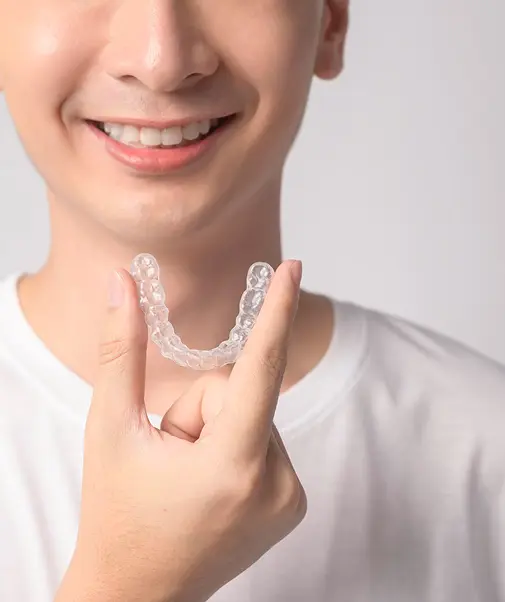
- Night guards for teeth grinding
- Bite adjustment when appropriate
- TMJ therapy
- Orthodontic treatment for bite-related issues
The goal is to reduce pressure on the joint and improve jaw function.
TMJ Treatment Options
| Treatment | Best For |
|---|---|
| Night Guard | Teeth grinding and clenching. |
| Jaw Exercises | Mild TMJ discomfort. |
| Lifestyle Changes | Stress-related symptoms. |
| Orthodontic Treatment | Bite alignment concerns. |
| TMJ Therapy | Persistent joint-related symptoms. |
Can TMJ Disorders Be Prevented?
While not all TMJ disorders can be prevented, certain habits may help reduce the risk:
- Avoid clenching your teeth
- Manage stress effectively
- Maintain good posture
- Avoid chewing hard objects
- Seek treatment for teeth grinding
- Schedule regular dental checkups
Conclusion
Jaw popping sounds are often linked to problems involving the temporomandibular joint. While occasional clicking may not be a cause for concern, persistent sounds accompanied by pain, headaches, or difficulty moving the jaw should not be ignored. Early diagnosis and appropriate treatment can help relieve discomfort and improve jaw function.
If you are experiencing jaw popping, facial pain, or symptoms of TMJ disorder, the team at Dentlux can evaluate your condition and recommend the most suitable treatment plan to help restore comfort and improve your quality of life.
Frequently Asked Questions
No. Occasional jaw popping can occur without a TMJ disorder. However, frequent popping accompanied by pain, stiffness, or limited jaw movement should be evaluated by a dentist.
Yes. Teeth grinding and clenching place extra pressure on the jaw joint and surrounding muscles, which can contribute to TMJ symptoms and popping sounds.
Treatment depends on the cause and may include night guards, jaw exercises, stress management, bite correction, or other dental therapies aimed at reducing joint strain.
Yes. If headaches are related to TMJ dysfunction, appropriate treatment may help reduce their frequency and severity.
A dentist experienced in TMJ diagnosis and treatment can assess your symptoms and recommend a personalized treatment plan based on the underlying cause.