Toothbrushes play a vital role in human life. There are millions of toothbrushes available in the market. Choosing the right toothbrush can make or break your gums, as the wrong brushes weaken your gums, and that leads to severe pain and bleeding in your gums. So here are the types of toothbrushes and their impact on humans, and what the toothbrushes are really used for.
Toothbrushes can be classified by 2 categories:
1. Types of Toothbrushes by their bristles
2. Types of Toothbrushes by Usage
Types of Toothbrushes by their Bristles :
Toothbrushes by bristles are classified into 2 sub-categories
- Hardness
- Design Patterns
| Hardness | Design Pattern |
| Soft Bristles | Multi-level |
| Medium Bristles | Crisscross |
| Hard Bristles | Tapered |
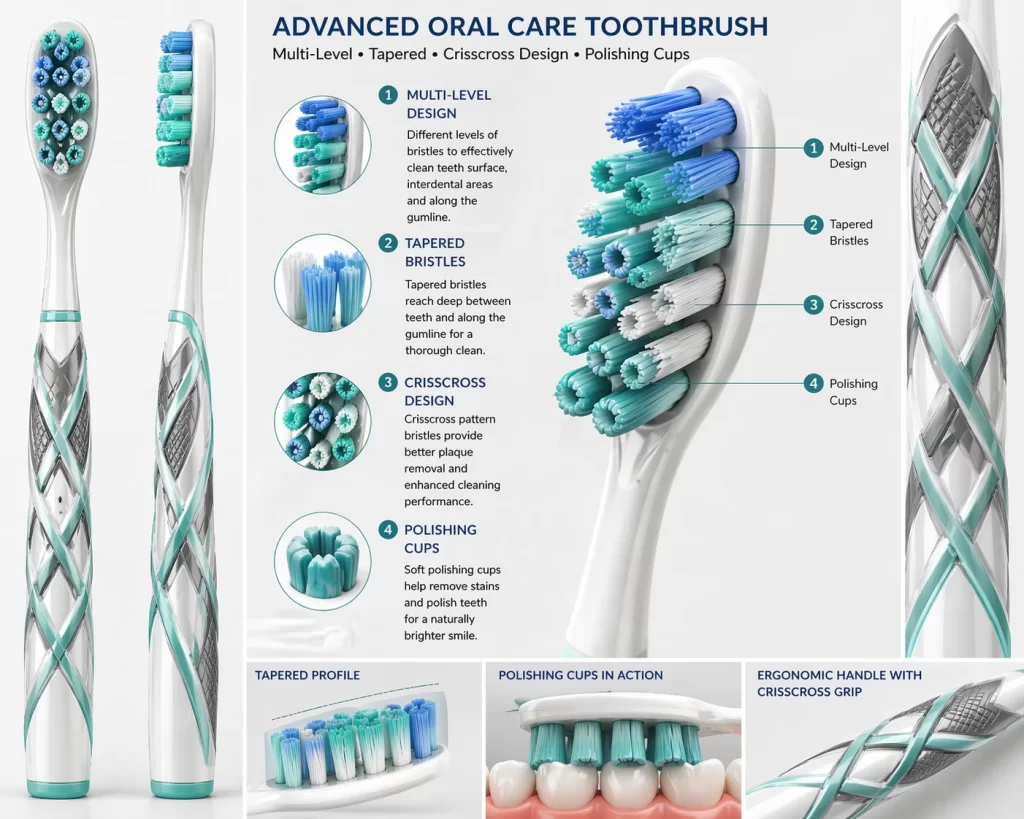
| Polishing Cups |
Toothbrush by Hardness :
Soft Bristles
These are the most recommended for all adults. These are very gentle on gums and enamel.
Medium Bristles
This has more cleaning power; people use this for deep cleaning, but have to be careful while doing so.
Hard Bristles
These are not advised by dentists as it is too harsh on your teeth and strip off the enamel slowly from the teeth, making it the worst type of toothbrush.
Toothbrushes by Design :
Multi-level
Bristles are not of the same size; they vary, making it so that longer bristles reach between teeth while shorter ones clean flat surfaces.
Crisscross
These are set at different angles to clean up on all the corners and between the teeth.
Tapered
These are mostly found in soft-bristle brushes as their bristles are thin, so it reaches the gum linings.
Polishing Cups
Bristles are made of rubber to remove stains from the teeth.
Toothbrush by usage:
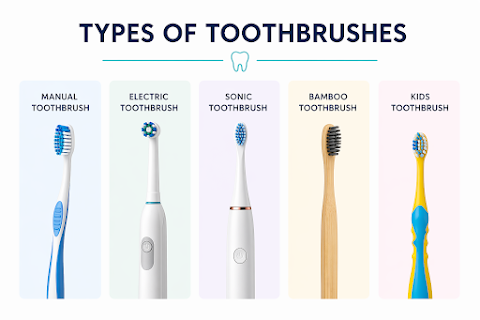
Manual Toothbrush:
These are normal toothbrushes that we use in our households; these are the standard toothbrushes in the market. This has flexible plastic handles or wooden handles with plastic bristles. These are affordable and reliable brushes for everyday use. Choose the right size brush.
Electric Toothbrush:
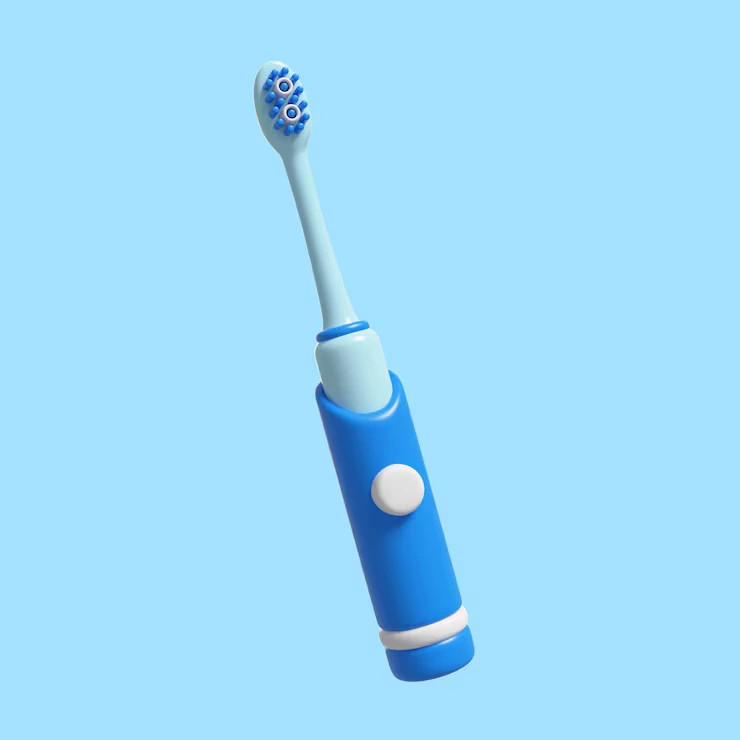
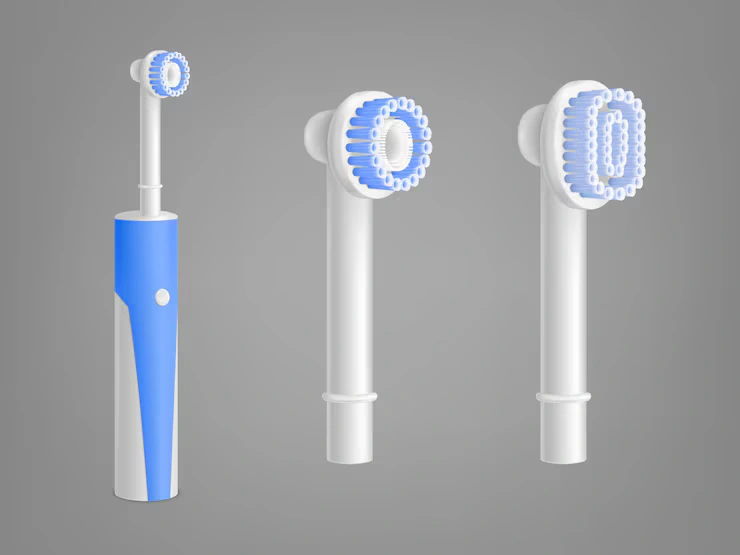
These brushes run on batteries. There are 2 types, one is rotary and sonic, rotary rotates its head, whereas sonic vibrates. Both are good at removing dirt.
Ultrasonic
This brush is a premium electric brush which operates in extremely high frequency using ultrasound waves to clean the bacteria and plaque which cannot be seen with the naked eye, no need for vigorous scrubbing, suitable for all types of teeth, mainly sensitive teeth.
Interdental
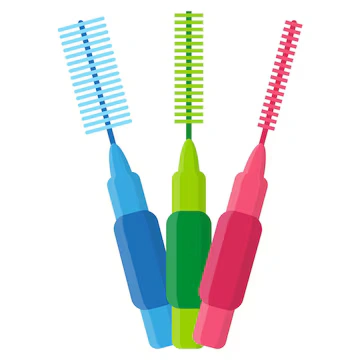
Interdental means between the teeth; this brush cleans the sides of the teeth and between them. These are similar to dental floss. Mainly, people wearing braces in their teeth have this brush; if any food particles get stuck in their teeth, this helps to take them away.
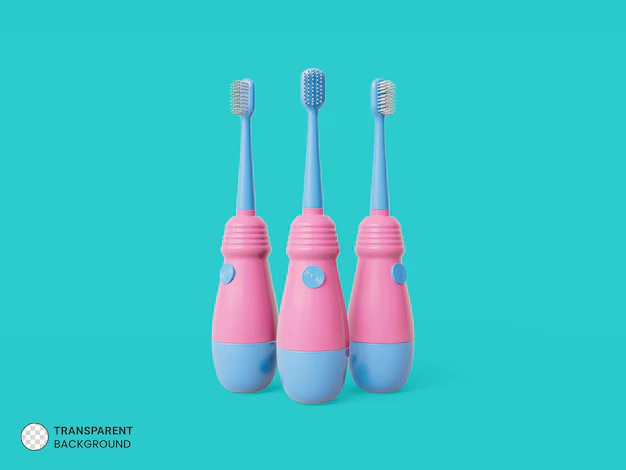
Kids
Kids’ brushes are small, have many colorful pictures to attract them, and it has a suction which helps to hang the toothbrush on the walls, which is fun.
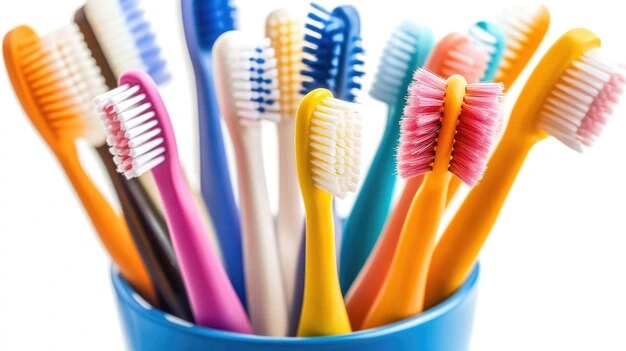
Disposable
This brush will not last for a long time as its shelf life is only 1 time of use. Use and throw kind of brush suits for travel purposes and are not suitable for daily use.
Chewable
This is also known as a fuzzy brush. This is used when you are in a hurry and on the way, and you need to rinse your mouth; then this is a good option. This has small bristles and a built-in mouth freshener, so no need for toothpaste.
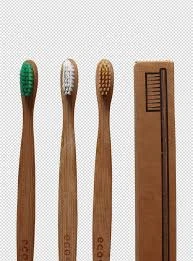
Ecofriendly
This brush is plant-based; no plastics or any chemicals are used while making it. The body of the brush is wooden, and the bristles are soft and made from plants.
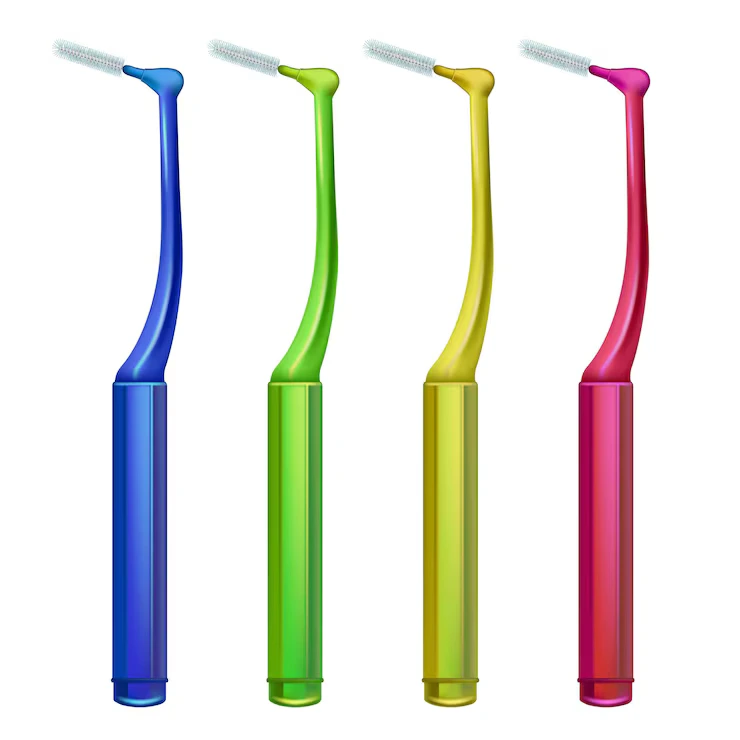
End-tuft
This has an extra small head for reaching hard-to-reach parts in the mouth. This is not an alternative to a toothbrush, but it should be used to clean your mouth thoroughly.
Sulcabrush
It is a single tuft toothbrush and is more therapeutic compared to other brushes. It massages and rejuvenates the gum line and helps prevent gingivitis. If there is any gum disease, this brush helps slow it down and treat it. This cannot be your alternative for a toothbrush, but it helps as a tool.
Mouth piece
This is a new product in the market, a U-shaped toothbrush, it is a hands-free electric toothbrush which fits into your mouth like a mouthpiece. But the dentist tells us to avoid this brush as the drawbacks are high.
Best Practices
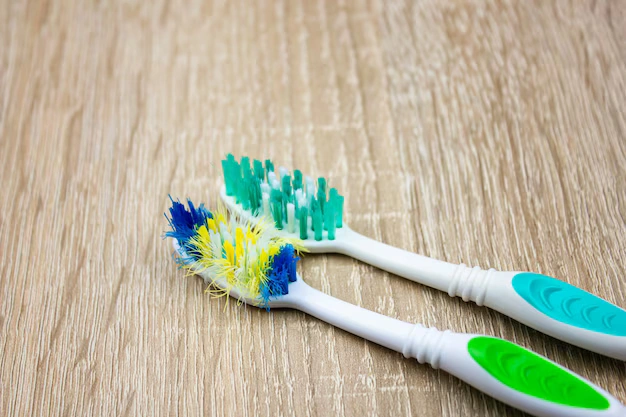
Regardless of the brush you choose, your habits dictate your results. There is the “2-2-2 Rule”, which means brush twice a day, for two minutes each time, and visit your dentist twice a year. Furthermore, it is essential to replace your toothbrush every 3 to 4 months. Once the bristles begin to fray or splay outward, they lose their ability to clean effectively and can actually harbor more bacteria.
Finally, be mindful of your diet. Foods that heavily stain, such as Matcha, coffee, or dark oils, can dull your smile. For those with dental work like Zirconia crowns, stick to ultra-soft bristles to maintain the integrity of the restoration and the surrounding tissue.
Points to be noted:
- Dentists say to use either a manual brush or an electric brush, but choose ultra-soft/soft bristles to protect your gums and clean your teeth.
- Brush twice a day, not once.
- Don’t eat food that stains your teeth, like Matcha, coffee or chilli oils.
Conclusion
There are millions of brands in the market to choose from when buying a toothbrush, but the Dentists prefer and recommend toothbrushes with soft or ultra-soft bristles. It is safe for everyone to use a good-quality soft-bristle toothbrush to take care of their gums. For any problems in tooth or oral hygiene, feel free to Book Appointment with us and take a free dental concerns